
Everyone gets dignity before anyone gets rich
On CEO pay, living wages, and what a full-time job should make possible for the person who holds it.

On AI, authorship, and what we are really judging when we judge someone’s work.
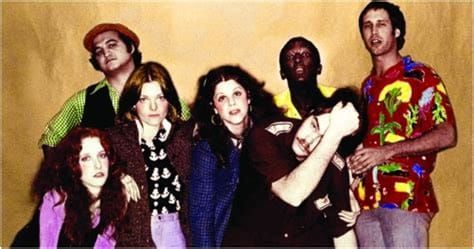
Lorne Michaels on producing a live show, and what it says about managing one.

Nine pieces on how people read each other at work: colleagues across a room, teams watching managers, and the measure of a deal.
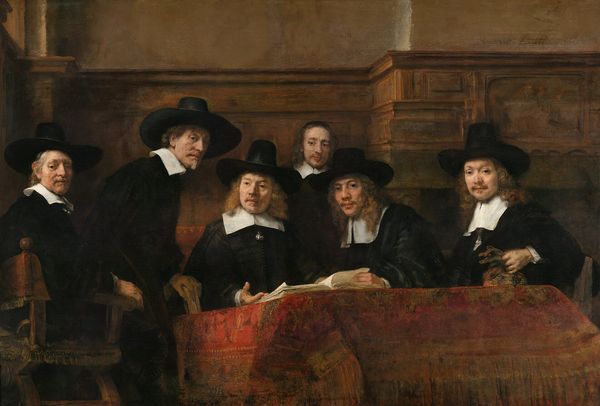
Managers say they get things done through people. Then someone on my team corrected our numbers in front of my boss.
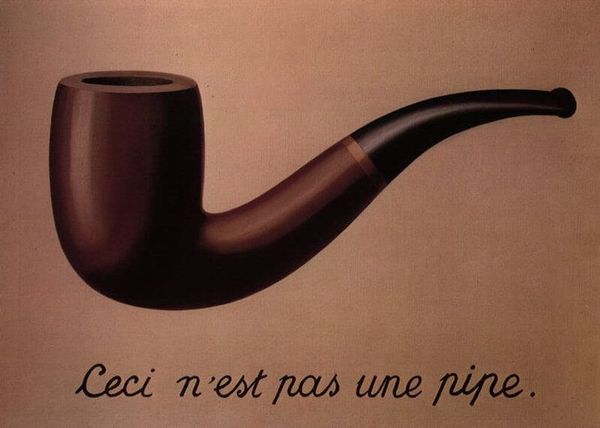
Every management decision rests on a belief about human nature, whether you've examined it or not.

On AI, judgment, and who answers for it.

Newsletter
I'm looking forward to Some travel, Some hiking, My toes in the sand, and You finding some sand of your own. In the meantime, expect a weekly delivery from the vault. I'll see you in September!
Beyond Management
Ever since I can remember (I think it started with my father's 78s) I listened to the big bands. Duke. Basie. You'd learn the names of the sidemen, catch a solo, and then years later find those same musicians leading bands of their own. That'
Ling- English
The prosperity we mourn as stolen was never the economy's natural state. It was a dividend paid out of a world in ruins. An essay on why we keep misreading the present, and what it means to see clearly where we actually stand.
Weekly essays on management, leadership, and strategy. No tips. No tricks. A way of looking differently at things you see every day.

It’s the World Cup and I couldn’t help myself. Football, the one where you actually hit the ball with your foot, is the only truly global game. Go anywhere in the world. Anywhere. And people are either playing it or talking about it. Dale Carnegie wrote a book

A Sonata in Three Movements

What actually happens inside you when you say you’re listening? When I’m waiting for my turn to speak, I’m not listening. When I’m filtering what you’re saying as you’re saying it, I’m not listening. When I’m debating whether I want to agree

I had cataract surgery on one eye last week. The world has been a matter of contours and shadows rather than resolved edges and precise detail. I couldn’t drive. I have been reading signs at distance, and signs at distance had become impressionist gestures. But for most of what

There is something immediately arresting about the aphorism, "If you're not at the table, you're on the menu." It does not argue its case or offer advice. It simply presents a scene, and once seen, it is difficult to unsee. One recognizes it before

Every Thursday night, around 2 AM, my bedroom window would start rattling violently. At first I blamed the garbage truck. But the shaking was too specific. Other windows stayed quiet. Eventually I realized it wasn’t the engine. It was the compaction cycle: the hydraulic ram crushing garbage at a
I don't know when this thought first occurred to me, but for as long as I can remember I've never been especially interested in celebrating my birthday. The day always seemed like something that should be celebrated, but not by me. The celebration belongs to the
Not dumb as in lacking intelligence. Dumb as in aware of your ignorance. Most people treat knowledge as accumulation. You learn things. The pile grows. You become more capable as the pile gets bigger. This is true. It is not sufficient. What the accumulation model misses is the edge. Every
The founders of the major AI companies know the existential stakes — they are the ones who published the warnings. This essay asks why the knowledge doesn't discharge the duty, and what ethics as another line of code cannot ask.

Organizations have their own humus — an invisible living layer of trust, memory, and relationships that forms slowly and can be destroyed in an afternoon. Meet the people who live there deliberately.
Gary Hamel's question about the managerialist mindset is right—but answering it as a list misses the source. One belief generates the rest: that a person is a type of thing. Everything else follows from there.

A cabinet maker works with the grain, not against it. Management works the same way — and the practice doesn't protect you from using it badly.